


Latest blog
How to Troubleshoot Common Crusher Fault... A Complete Guide to Mobile Crushing Stat... Unstable Primary Crushing in Large Mines... How to Choose a Reliable Crusher Manufac... Crushers: Classification, Selection Prin... Performance advantages of tire‑mounted m...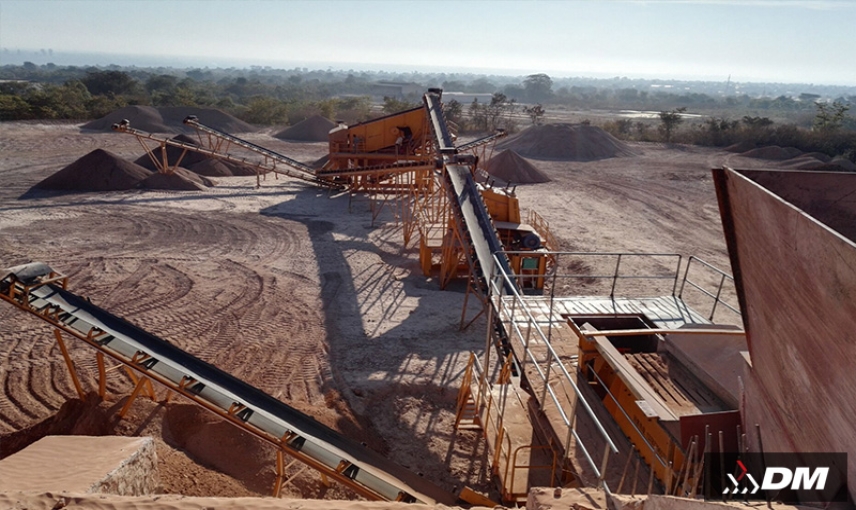
Stop Quarry Bottlenecks at the Primary Stage
In many quarry and aggregate operations, the most expensive problem is not always visible in the final product stockpile. It often starts much earlier, at the primary crushing stage. When blasted rock arrives with inconsistent size, high hardness, clay contamination, or irregular loading patterns, the entire plant can begin to lose efficiency. Conveyors run empty, secondary crushers receive unstable feed, screening decks overload, and trucks wait longer than planned. For overseas quarry owners, civil contractors, and aggregate producers, a reliable fixed jaw crusher is not simply a machine at the beginning of the process. It is the control point that determines whether the rest of the crushing and screening plant can operate profitably.
A well-designed fixed jaw crusher provides the heavy-duty reduction needed for limestone, granite, basalt, river stone, and many other hard materials. More importantly, it creates a stable foundation for the whole production line. Instead of treating primary crushing as a basic size-reduction step, successful operators view it as a production risk-management system. The right equipment selection, installation layout, feeding method, and maintenance routine can reduce stoppages, protect downstream equipment, and improve the cost per ton across the entire quarry.
Primary Crushing Is Where Profit Starts
Every ton of final aggregate must pass through the primary crusher. If this stage is undersized, unstable, or difficult to maintain, the rest of the investment cannot reach its designed capacity. Many customers focus first on secondary crushing shape or final screening accuracy, but those results depend heavily on consistent primary output. A fixed jaw crusher with a strong frame, deep crushing chamber, and suitable discharge setting can handle large feed material and deliver a predictable flow to the next stage.
For a quarry producing road base, concrete aggregate, asphalt aggregate, or railway ballast, the value of consistent primary crushing is easy to measure. Fewer blockages mean fewer excavator interventions. Stable output means smoother operation of the cone crusher or impact crusher downstream. Better reduction at the first stage also reduces circulating load and unnecessary wear in later stages. Over time, these improvements directly affect fuel use, electricity consumption, liner life, maintenance planning, and labor efficiency.
Solving the Pain of Oversize Feed
One of the most common problems in quarry sites is oversize rock after blasting. If the primary crusher opening is too small or the chamber design is not suitable, operators must break rock manually or with a hydraulic hammer before feeding. This delays production and increases safety risks. A properly selected fixed jaw crusher gives the site more tolerance for variable blasted material, reducing the need for secondary breaking.
The solution is not always to choose the largest model available. The best selection depends on feed size distribution, material compressive strength, required output size, planned capacity, and available civil foundation space. For example, a quarry with occasional oversize blocks may need a larger feed opening and a heavier flywheel design, while a quarry with uniform limestone may prioritize throughput and lower operating cost. Matching the crusher to the real feed condition is essential.
A Stable Plant Layout Reduces Daily Stress
A fixed crushing plant gives operators strong advantages when the deposit is long-term and the haulage distance is manageable. Unlike temporary equipment, a fixed jaw crusher can be integrated with a reinforced foundation, surge hopper, vibrating feeder, dust control system, belt conveyor, magnet, and control room. This creates an organized workflow that reduces daily operating pressure.
A stable layout also improves safety. Operators do not need to frequently reposition heavy equipment. Walkways, platforms, guards, emergency stops, and maintenance access can be designed from the beginning. For overseas customers working under strict safety requirements, a fixed primary station can support better compliance and more predictable site management.
Protecting Downstream Equipment
The fixed jaw crusher plays a protective role for the entire plant. If it produces unstable output, the downstream cone crusher, screening machine, or impact crusher may experience high load fluctuation. This can lead to excessive liner wear, motor overload, poor product shape, and lower screening efficiency. By creating a controlled feed size, the jaw crusher helps other machines work inside their ideal operating range.
For example, when a cone crusher receives too much oversize material, it may experience high crushing pressure and reduced liner life. When a screen receives uneven feed, fine particles may not stratify properly, reducing separation accuracy. A reliable primary jaw stage reduces these risks and helps the plant achieve a more balanced production curve.
Choosing the Right Configuration
The correct fixed jaw crusher configuration should start with the customer’s business model. A quarry selling general construction aggregate may prioritize high capacity and low cost per ton. A plant supplying concrete producers may need cleaner, more controlled feed for shape improvement in later stages. A mining operation may need a heavy-duty model that can run continuously under abrasive conditions.
Important selection factors include feed opening size, eccentric shaft strength, chamber depth, jaw plate material, discharge adjustment method, motor power, feeder capacity, foundation design, and service access. Automation and monitoring options can also be valuable, especially for plants where downtime is costly. A crusher that is easy to inspect, adjust, and maintain will often deliver better lifetime value than a model selected only by purchase price.
Maintenance That Supports Production
Maintenance is one of the main reasons many operators prefer a fixed primary plant for long-term projects. With stable access platforms and planned service space, jaw plate replacement, bearing inspection, lubrication, and discharge adjustment become easier to manage. The fixed jaw crusher should be maintained according to a clear schedule, but operators should also monitor real operating conditions such as abnormal vibration, uneven wear, temperature changes, and feed behavior.
Good maintenance is not only about replacing parts. It also includes controlling feed quality, avoiding metal contamination, keeping the feeder working evenly, and training operators to recognize early warning signs. When maintenance is handled proactively, the crusher can deliver years of dependable service and reduce unplanned shutdowns during peak demand periods.
Return on Investment Beyond the Purchase Price
A lower-priced crusher can become expensive if it causes frequent downtime, high spare part consumption, or poor plant balance. The real return on investment of a fixed jaw crusher comes from stable production, reduced manual intervention, improved downstream efficiency, and longer equipment life. For quarry owners planning a multi-year operation, these factors often matter more than the initial equipment cost.
A well-matched fixed jaw station can also help expand future production. If the primary stage has enough capacity reserve, the operator can upgrade secondary crushing, add more screening capacity, or produce additional product sizes without replacing the entire front end of the plant. This makes the primary crusher a strategic investment rather than a single-machine purchase.
Conclusion
For overseas quarry and aggregate customers, the primary crushing stage is the foundation of profitable production. A dependable fixed jaw crusher solves real site problems: oversize feed, unstable capacity, downstream overload, safety risks, and high operating cost. When selected according to material conditions, output targets, plant layout, and long-term business goals, it becomes the anchor of a high-performing crushing and screening system. The right primary crusher does more than break rock. It gives the whole operation the stability needed to produce more tons, with fewer interruptions, at a lower cost per ton.
Prev Post
Mobile Cone Crushing for Road Aggregate

We will answer your email shortly!