


Latest blog
How to Troubleshoot Common Crusher Fault... A Complete Guide to Mobile Crushing Stat... Unstable Primary Crushing in Large Mines... How to Choose a Reliable Crusher Manufac... Crushers: Classification, Selection Prin... Performance advantages of tire‑mounted m...
Mobile Crusher:Urban Recycling Without the Bottleneck
Urban demolition projects are becoming more demanding. Contractors are expected to remove structures quickly, control dust and noise, reduce truck traffic, comply with recycling targets, and keep project costs under control. At the same time, landfill fees are rising in many markets, virgin aggregate is becoming more expensive, and city authorities increasingly prefer projects that reuse construction waste responsibly.
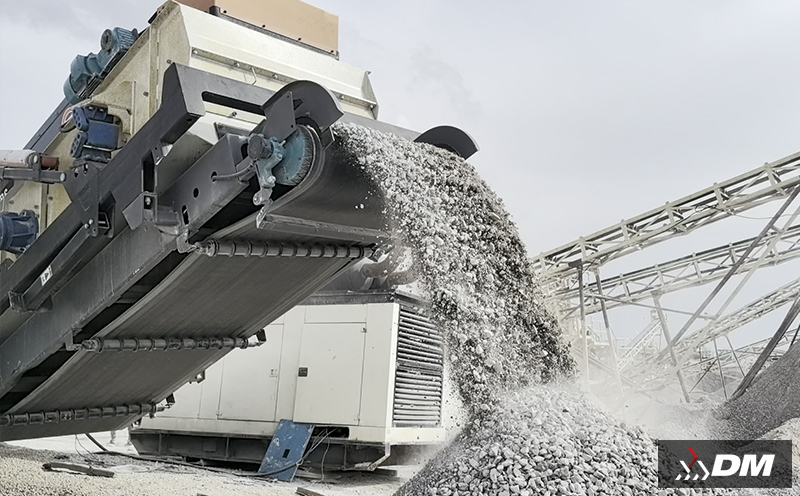
For contractors working in these conditions, hauling broken concrete and asphalt away from the site is often one of the biggest bottlenecks. Trucks wait in traffic, disposal costs climb, and reusable material leaves the project before its value is recovered. A tracked mobile impact crusher changes this workflow by bringing crushing capacity directly to the demolition site.
Unlike a fixed recycling yard that requires continuous transport, a mobile impact unit can process material where it is generated. Reinforced concrete, asphalt slabs, bricks, and mixed demolition debris can be reduced into usable recycled aggregate for road base, backfill, temporary access roads, pipe bedding, and selected construction applications. The result is a project that moves faster, spends less on haulage, and demonstrates a stronger environmental profile.
The Pain Point: Waste Movement Costs More Than Crushing
Many demolition contractors focus first on breaking and loading. Excavators, breakers, shears, and loaders are highly visible on site. But the hidden cost often sits in the haulage loop. Material must be loaded into trucks, moved through congested streets, weighed, dumped, and sometimes replaced by imported aggregate. Every cycle consumes labor, fuel, permits, and time.
In tight city projects, transport can also create reputational risk. Dust on public roads, truck noise, queueing near residential areas, and repeated vehicle movement can attract complaints. If a project is located near schools, hospitals, commercial districts, or high-density housing, minimizing truck movements becomes a practical and political advantage.
A tracked mobile impact crusher reduces these pressures by transforming demolition waste into a project resource. Instead of treating concrete and asphalt as disposal material, the contractor can process it into graded recycled aggregate and reuse it on site or sell it locally.
Why Impact Crushing Fits Demolition Material
Demolition waste is different from blasted rock. It is often irregular, slabby, and mixed with asphalt, brick, mortar, and occasional steel reinforcement. An impact crusher is well suited to this kind of material because it uses high-speed impact force to break feed into a more cubical and workable product. This is useful when contractors need recycled material that compacts well and performs reliably in base or fill applications.
A tracked mobile impact crusher also supports efficient site flow. The crawler chassis allows the machine to move around the demolition area as the work front changes. The crusher can be positioned near the material pile, then relocated when the excavator moves to another part of the site. This reduces loader travel and keeps production closer to the source.
Many mobile impact units can be paired with magnetic separation to remove rebar and other ferrous metals after crushing. This helps improve recycled aggregate quality and creates an additional scrap metal recovery stream. Optional screening or recirculation systems can further control final product size, making the unit more than a crusher; it becomes a compact recycling system.
Site Solutions for Tight Access Projects
Urban projects rarely offer generous working space. Contractors may operate behind temporary fencing, inside industrial redevelopment zones, under bridge structures, or within partially active commercial properties. Equipment must be compact enough to enter the site, strong enough to process heavy material, and flexible enough to reposition without major setup work.
A tracked mobile impact crusher supports this requirement because it does not need a permanent foundation. It can be transported to the site, unfolded, commissioned, and integrated with excavators and loaders within a practical setup window. Once crushing begins, the contractor can create a controlled processing zone with clear feed, discharge, metal removal, and stockpiling areas.
For example, a contractor demolishing an old warehouse may crush concrete slab, masonry wall sections, and asphalt pavement into reusable sub-base for the redevelopment project. Instead of importing large volumes of granular fill, the contractor can use material already available on site. This reduces both outbound waste transport and inbound aggregate deliveries.
Compliance, ESG, and Public-Side Benefits
Recycling construction and demolition waste is not only a cost decision. In many overseas markets, project owners and municipal authorities evaluate contractors based on sustainability performance. A contractor who can document on-site recycling rates, reduced landfill disposal, and lower truck traffic has a stronger position in tenders.
A tracked mobile impact crusher helps provide visible evidence of responsible material management. The contractor can show that concrete and asphalt waste are being processed for reuse instead of being sent directly to landfill. This supports environmental reporting, green building goals, infrastructure sustainability requirements, and local waste reduction policies.
There are also practical public-side benefits. Fewer trucks entering and leaving the site means less traffic disruption, lower emissions from transport, and reduced road cleaning needs. On sensitive projects, these advantages can help a contractor maintain better relationships with authorities, neighbors, and clients.
Product Quality and Reuse Opportunities
The value of recycled aggregate depends on how well it is processed. Oversize chunks, excessive fines, contaminants, and inconsistent gradation limit reuse options. A correctly configured impact crusher can produce a more uniform material that is easier to compact and handle.
Common reuse applications include road base, construction platform material, trench backfill, drainage layers, asphalt recycling feed, and temporary haul roads. In some regions, properly processed recycled concrete aggregate can be used in selected concrete applications, depending on local specifications and testing requirements.
A tracked mobile impact crusher gives contractors the flexibility to adjust output size according to project needs. If the material is needed for base preparation, a coarser product may be suitable. If it is used for trench backfill or site leveling, a smaller size may be preferred. This ability to match output to immediate project demand improves material utilization and reduces waste.
Selecting the Right Mobile Impact Unit
The right machine depends on feed size, expected contaminants, desired output, daily tonnage, transport limits, and available operating space. Contractors should consider crusher inlet size, rotor design, blow bar material, engine power, hydraulic adjustment, magnet arrangement, discharge height, and optional screen configuration.
For reinforced concrete, good access for clearing metal and maintaining wear parts is essential. For asphalt recycling, temperature, stickiness, and bitumen content should be considered. For mixed demolition material, pre-sorting is still important. A tracked mobile impact crusher is powerful, but it performs best when oversized steel, wood, plastics, and non-crushable objects are controlled before feeding.
Service support is another major factor. Urban demolition schedules are tight. A machine that is difficult to maintain or lacks spare parts availability can create expensive delays. Contractors should choose equipment with accessible service points, clear wear-part replacement procedures, and reliable technical support.
Operating for Profit, Not Just Production
The goal is not only to crush more tons per hour. The goal is to reduce total project cost and create usable material. That means the site team should measure avoided landfill fees, reduced trucking, lower imported aggregate purchases, recovered scrap metal, and faster site preparation.
A tracked mobile impact crusher can improve profit by shortening the distance between waste generation and material reuse. The more material that can be processed and reused on site, the less the project depends on external disposal and supply chains. In markets where transport costs are high or disposal regulations are strict, this difference can be substantial.
Conclusion: Make Demolition Material Work Again
Urban demolition contractors face pressure from every direction: time, space, compliance, cost, and public visibility. A tracked mobile impact crusher provides a practical solution by converting concrete and asphalt waste into usable recycled aggregate directly where the work is happening.
For contractors who want to reduce haulage, improve sustainability performance, and protect project margins, mobile impact crushing is not just equipment ownership. It is a better project workflow.


We will answer your email shortly!