


Latest blog
A Complete Guide to Mobile Crushing Stat... Unstable Primary Crushing in Large Mines... How to Choose a Reliable Crusher Manufac... Crushers: Classification, Selection Prin... Performance advantages of tire‑mounted m... What are the characteristics of tire‑mou...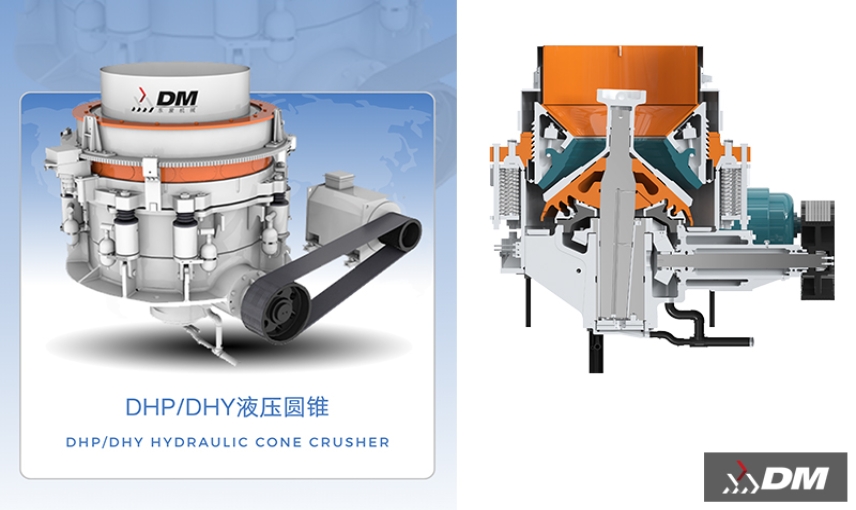
Precautions for Installation and Commissioning of Hydraulic Cone Crusher
In global sand‑aggregate production lines, deep‑processing of ores and hard‑stone crushing projects for granite and basalt, hydraulic cone crusher serves as the indispensable core machinery for secondary‑ and fine‑crushing procedures. After hard rocks are processed by cone crushing, finished aggregate features rounded‑shaped particles and a low proportion of flaky grains, meeting strict material requirements for highway construction, bridge infrastructure and ready‑mixed concrete. Long‑term stable operation largely relies on standardized early‑stage installation and rigorous machine commissioning. Improper installation and wrong parameter settings may easily lead to oil leakage, abnormal noise, fast wear of liner plates and fluctuating discharge particle‑size. Stone processing operators need to master full‑set operating specifications covering foundation construction, pipeline layout, no‑load test‑run and loaded commissioning so as to avoid common installation risks.
Step‑by‑step Operation Guidelines for Hydraulic Cone Crusher Installation
hydraulic cone crusher factory Shanghai Dongmeng Equipment boasts years‑long experience in research, development and manufacturing of heavy‑duty crushing machinery. It supplies overseas and domestic customers with equipment installation guides, on‑site commissioning training and customized production‑line solutions.
1. Inspection of Concrete Foundation
Before installation, inspect the bearing capacity, levelness and reserved bolt hole positions of the concrete foundation. Space for heat dissipation and routine maintenance shall be reserved. Foundation settlement or inclination will trigger excessive machine vibration.
2. Positioning and Fastening of Main Unit
Lift the main machine steadily with hoisting gear, align anchor bolts and fasten all fastening components evenly to prevent bolt loosening during operation.
3. Assembly of Hydraulic Pipeline and Lubrication System
Clean impurities inside oil pipes, fit pipelines, sealing rings and the hydraulic fuel tank in sequence. Fill in factory‑specified hydraulic oil and lubricant, and inspect pipe joints for leakage. Blocked oil pipelines will trigger emergency shutdown from equipment overload protection.
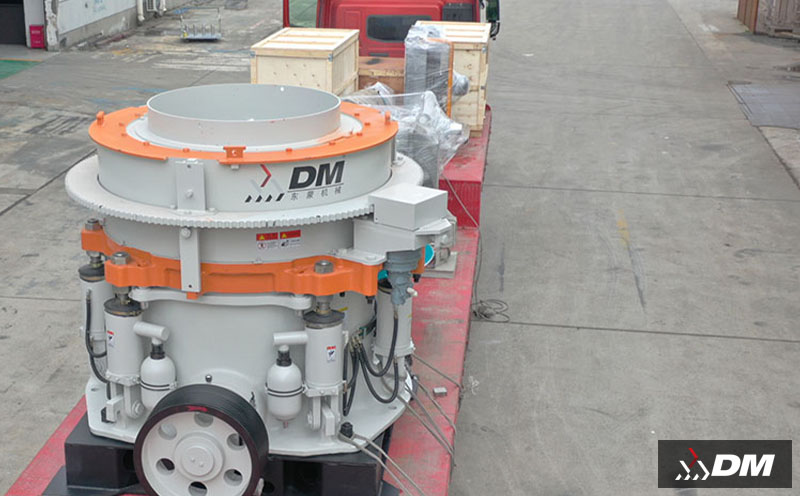
Management Rules for the Equipment Commissioning Stage
1. No‑load Test‑running
Carry out no‑load operation for no less than two hours once assembly finishes. Listen carefully for internal abnormal sounds and monitor oil pressure, oil temperature, motor current and the working condition of dust‑proof devices. Shut down the machine for fault troubleshooting immediately if any abnormality appears.
2. Material‑loaded Commissioning
Raise feeding capacity gradually from low volume up to the rated feeding rate. Adjust the discharge gap, observe finished‑stone grain size and calibrate overload protection and safety devices. Keep uncrushable metal waste out of the crushing chamber.
Routine Maintenance Tips After Commissioning
After qualified commissioning and formal production, inspect wear conditions of wear‑resistant liners and hydraulic‑oil cleanliness on a regular basis. Follow the maintenance cycle provided by the hydraulic cone crusher factory and replace vulnerable parts on schedule to extend service life and guarantee stable output of the sand‑making production‑line.


We will answer your email shortly!