


Latest blog
Crushing Equipment Manufacturer Guidance... Tracked Mobile Cone Crusher Cuts Haul Co... Fixed Jaw Crusher: Is Bigger Better? Aggregate Grading Fails to Meet Standard... Shanghai Dongmeng Heavy Industry Debuts ... How to Match the Screening System for Cr...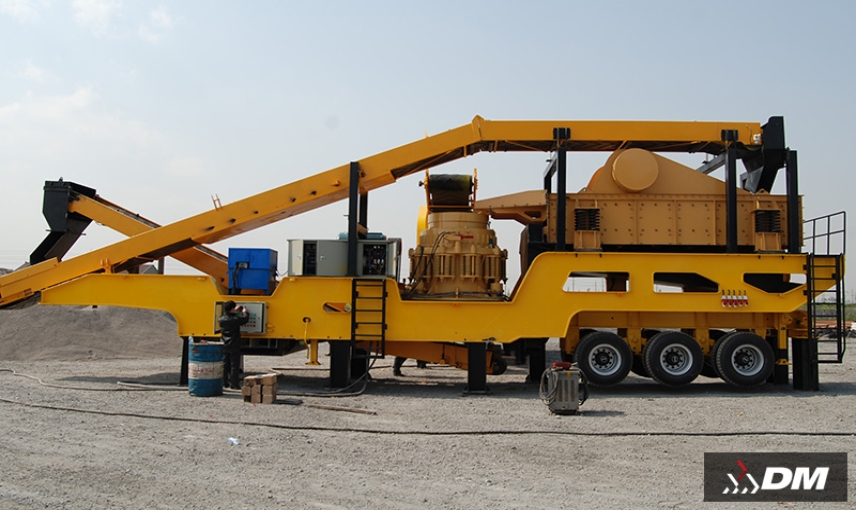
Crushing Equipment Manufacturer Guidance for Construction Waste Recycling Profit Improvement
Construction waste recycling has become a mainstream business for many aggregate contractors, but a large number of projects still struggle with thin profit margins. Many operators focus only on raw material supply and finished product sales, ignoring the hidden losses brought by unreasonable process layout and mismatched machines. A reliable crushing equipment manufacturer can deliver targeted plans to lift your overall revenue and cut unnecessary expenses for recycling lines.
Main Profit Drains on Construction Waste Recycling Sites
One of the biggest headaches is unstable quality of recycled aggregates. Mixed steel bars, clay, brick and concrete blocks often lead to unqualified finished materials, which cannot be sold at highway or municipal engineering prices. Poor screening performance also creates a high proportion of waste material, wasting the capacity of your crushing equipment. In addition, frequent breakdowns, high consumption of wear parts and excessive fuel or power cost will quickly eat up project profits.
Many site owners buy a standard stone crusher directly without customized design. General crushing machines are built for hard rock, not suited for contaminated construction waste. This mismatch causes low output, fast liner wear and unstable gradation, making recycled products less competitive than natural sand and gravel.
Optimized Process Scheme Recommended by Crushing Equipment Manufacturers
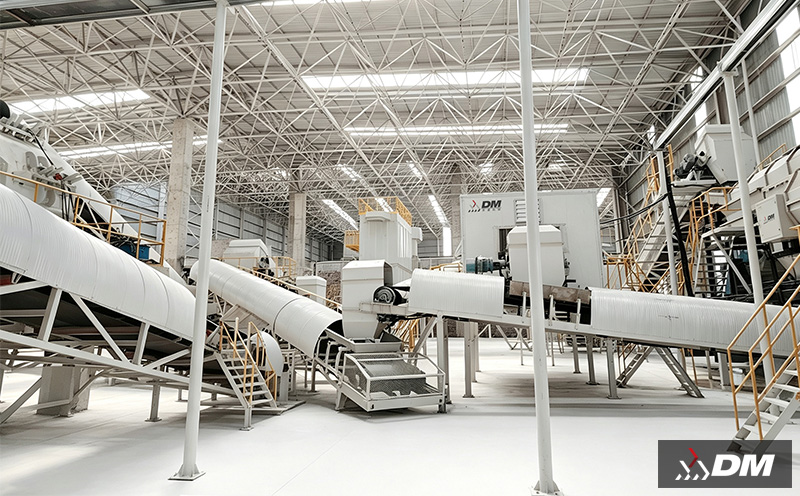
Professional manufacturers usually suggest a pre-treatment module before crushing. Magnetic separation equipment removes steel reinforcement from waste concrete, protecting the crusher from metal damage and reducing downtime. Light impurity removal systems separate plastic, wood and soil, greatly improving the purity of recycled aggregate.
For most construction waste projects, a two-stage crushing configuration works better. Primary crushing breaks large waste blocks into medium-sized material, then secondary shaping crushing optimizes particle shape. Combined with multi-layer screening equipment, the production line can separate recycled aggregate into multiple specifications for different clients, including road base material, recycled sand and filler material. Diversified finished products help you raise average selling price.
Wear Parts and Operation Management to Lower Running Cost
Wear spare parts account for a major share of operation cost in waste recycling. Experienced crushing equipment manufacturer will select high-chromium or manganese alloy wear parts according to raw material characteristics, extending service life and reducing replacement frequency. Regular maintenance plans are also important: scheduled inspection, lubrication and gap adjustment can avoid sudden shutdown caused by damaged components.
Operators should train workers to control feeding speed and material moisture. Too much wet mud will block the screen mesh and reduce screening efficiency. Keeping stable feeding volume lets the crushing equipment run under rated load, achieving higher hourly output and lower unit power consumption.
How to Match Equipment for Different Project Scales
Small and medium-sized recycling yards with frequent site transfer can choose mobile crushing and screening units. It saves foundation construction cost and transportation cost of raw waste. For fixed large-scale recycling bases, stationary crushing lines with high capacity are more suitable, which can support long-time continuous production and stable supply for big construction clients.
When consulting a crushing equipment manufacturer, provide detailed information such as raw waste type, hourly target capacity, local power condition and finished product requirements. Manufacturers can calculate the most suitable configuration instead of selling over-spec or under-spec machines. Over-investment on redundant equipment increases capital pressure, while insufficient capacity limits your sales volume.
Market Matching and Sales Strategy for Recycled Aggregates
Good equipment only creates qualified products; profit finally comes from correct market positioning. Recycled aggregates are widely used in road subgrade, backfill, permeable brick production and low-grade concrete. Cooperate with local municipal bureaus and construction companies to get stable orders. When your recycled aggregate meets standard gradation and impurity limits, you can bid for more formal engineering projects instead of only selling to low-price buyers.
Conclusion
Improving profit of construction waste recycling is not just about buying a cheap stone crusher. It relies on systematic process design, proper crushing equipment configuration, standardized operation and stable after-sales support from a professional crushing equipment manufacturer. By cutting failure loss, raising finished product quality and developing multi-specification recycled materials, recycling sites can turn bulk construction waste into sustainable profitable products.
Prev Post
No More...

We will answer your email shortly!