


Latest blog
Aggregate Grading Fails to Meet Standard... Shanghai Dongmeng Heavy Industry Debuts ... How to Match the Screening System for Cr... How to Troubleshoot Common Crusher Fault... A Complete Guide to Mobile Crushing Stat... Unstable Primary Crushing in Large Mines...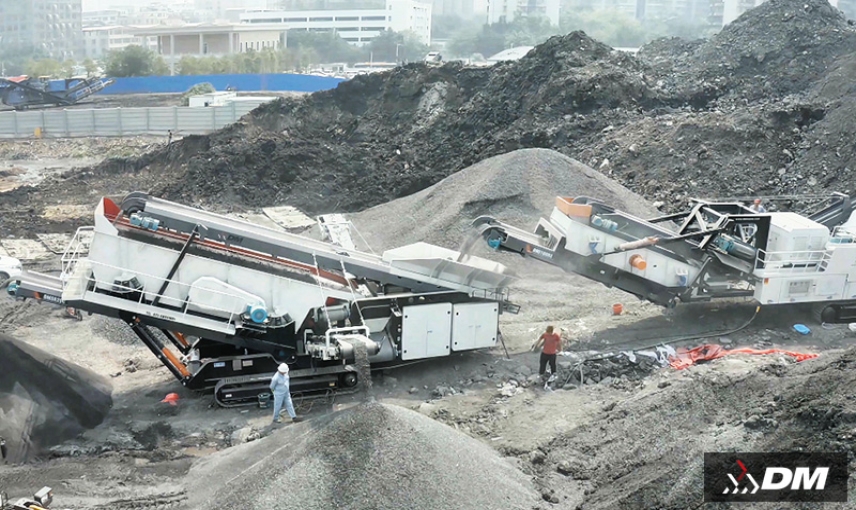
Aggregate Grading Fails to Meet Standards? Fixed Screening Machine Optimizes Aggregate Classification
Screening Machine is the core grading equipment after crushing, which directly determines the quality of finished aggregates. Many aggregate production lines focus heavily on crushing hosts but neglect the screening process, triggering a series of production headaches. Aggregates of different particle sizes mix severely; large particles and fine powder coexist in finished products. Wet materials easily clog screen meshes and force the production line to reduce output. Screen panels wear rapidly and frequent replacement takes massive labor time. Poor classification accuracy prevents separate discharge of multi-specification aggregates, resulting in continuous customer complaints or even rejected goods. These screening problems will offset the quality improvement achieved in crushing stage. Even if crushed stone has ideal particle shape, unqualified screening will lead to unsold products and delayed payment collection. The fixed screening machine is specially developed to resolve mixed aggregates, material blockage and low classification precision, suitable for long-term grading work in quarries, aggregate plants and stationary construction waste recycling production lines.
1. Common Pain Points in Aggregate Screening Process
Problems appearing in the screening stage of most sand plants are not simply screen panel damage, but unreasonable equipment selection and process layout. First of all, low classification accuracy. A single-layer screen cannot separate multiple aggregate sizes at one time. Mixed materials of 0-5mm, 5-10mm and 10-20mm aggregates fail to meet grading standards of ready-mixed concrete and road aggregates. Second, blockage caused by wet and muddy raw materials. When raw materials carry high mud content or high moisture, fine materials stick to the screen surface and block holes, sharply lowering screening efficiency and production capacity. Third, short service life of screen panels. Continuous stone impact quickly damages screens. Frequent shutdown for screen replacement increases labor cost and interrupts continuous production. Fourth, unreasonable vibration amplitude creates loud noise and strong vibration that cracks the concrete foundation and brings hidden safety hazards. Fifth, defective process design. Crushed materials pour directly into screening equipment with uneven material distribution. Local concentrated impact accelerates screen wear and makes screening efficiency unstable.
Many plant owners simply replace screen panels, but they fail to solve root problems from equipment selection and process design. Blockage and material mixing happen repeatedly, continuously affecting finished product quality and production capacity.
2. Grading Solutions Adopted by Fixed Screening Machine
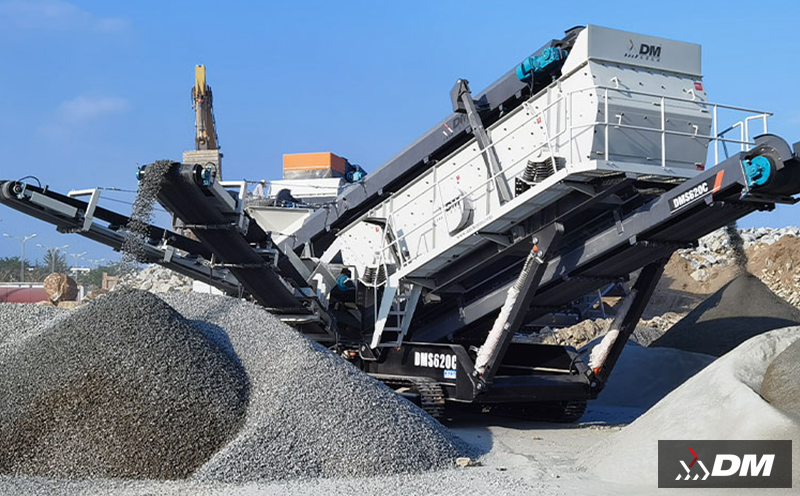
The fixed screening machine operates on vibration screening principle. Multi-layer screen decks can separate aggregates into multiple finished grades in one single run. From top to bottom, the screen hole size decreases gradually. Large-size stones stay on the upper screen decks while fine aggregates fall onto lower decks, realizing multi-stage classification to meet the demand of synchronous production of multi-specification aggregates. The machine adopts optimized vibration exciter structure. Vibration amplitude and frequency can be adjusted according to different material properties to reduce blockage risk of wet materials. Anti-clogging cleaning accessories can also be equipped to reduce adhesion of fine powder and clay on screen holes and improve screening efficiency.
Designed as stationary equipment, the fixed screening machine runs steadily after foundation pouring and installation. Vibration force is evenly distributed so materials spread uniformly on the screen surface and avoid concentrated impact locally, extending the service life of screen panels. It can cooperate with fixed jaw crusher, fixed cone crusher and fixed impact crusher to build a complete closed-circuit crushing and screening production line. Oversized aggregates can be sent back to crushing hosts for re-crushing to form closed-loop production. Sealed dust covers can be installed to collect dust generated in screening, satisfying mine environmental control standards and reducing unorganized dust emission.
3. Applicable Project Scenarios of Fixed Screening Machine
First, aggregate production lines in large stationary quarries. These quarries mine rock raw materials for a long time and need stable and continuous multi-stage aggregate classification. The fixed screening machine fits high-capacity stationary sand production lines to continuously grade stones.
Second, stationary construction waste recycling bases. Such sites process large quantities of concrete recycled aggregates centrally, separating steel impurities and recycled sand of different particle sizes to produce recycled aggregates for backfilling and road subbase.
Third, aggregate processing plants for hydraulic and highway projects. Infrastructure projects require simultaneous supply of multiple aggregate specifications with strict standards for grading precision. Multi-layer fixed screening machine can stably produce qualified aggregates of various grades.
Fourth, pre-screening operation in mineral mines. Raw ore is pre-screened to remove fine materials before crushing, reducing the amount of fines entering crushers, lowering wear consumption of wear parts and improving overall capacity of crushing equipment.
Fixed screening machine is more suitable for projects with fixed sites and long-term continuous production. For short-term scattered projects that require frequent site transfer, tracked mobile screening machine is a better option.
4. Core Logic of Fixed Screening Machine Selection
The first step of selection is to confirm properties of processed materials, including maximum feed particle size, mud content, moisture content and material density. For raw materials with high mud and moisture content, anti-clog screen structure should be prioritized to prevent frequent mesh blockage. Second, define hourly production target and match the handling capacity of screening machine. The processing capacity of screening equipment needs to match the output of front-end crushers. Insufficient screening capacity leads to material accumulation and bottlenecks for the whole line; over-sized screening machine results in idle equipment and higher investment cost. Third, confirm the number of required aggregate specifications to decide screen layers and aperture size of each layer. Multi-specification aggregate production requires multi-layer screen decks. Fourth, evaluate site foundation conditions. Vibratory fixed screening machine needs professional shock absorption design and proper damping pads to avoid vibration cracking workshops and foundations. Fifth, design feeding and iron removal devices. Front-end feeding equipment helps spread materials evenly on the screen surface; magnetic separators are adopted in construction waste treatment projects to remove steel rebars and protect screens from tearing.
When selecting equipment, buyers should not only refer to the nominal handling capacity. It is necessary to calculate the whole process by taking efficiency reduction caused by mud and moisture of local raw materials into consideration.
5. Operation and Maintenance Management Points of Fixed Screening Machine
Stable operation of the fixed screening machine relies on regular inspection of exciters, screen panels and shock absorption components. Before startup of each shift, check whether screens are damaged or loose and tighten all connecting bolts. Inspect aging or cracked shock absorption springs and pads. Failed shock absorption components will amplify vibration and damage equipment foundations. During operation, observe material distribution state. Adjust feeding devices in time if material segregation or local stacking occurs. Monitor vibration and noise of the machine; stop the machine for inspection immediately once abnormal amplitude or noise appears. Never run equipment with faults.
Lubricate exciters regularly and replace lubricating oil according to maintenance cycles to avoid bearing overheating damage. Build periodic inspection and replacement plan for screen panels based on material abrasion strength, and prepare spare screens in advance to shorten downtime during replacement. When screening muddy and wet materials, clean clay deposits on screen surface regularly to prevent continuous blockage of screen holes. Operators need to be familiar with equipment safety specifications. Power lockout must be done during maintenance work to prevent accidental startup and safety accidents.
6. Project Return on Investment Analysis
Investment of introducing qualified fixed screening machine covers equipment purchase, civil foundation and shock absorption accessories. However, from the perspective of long-term production, benefits are reflected in multiple aspects. First, improved aggregate grading accuracy realizes separate discharge of multi-specification aggregates. The qualification rate of finished products rises greatly, reducing losses caused by rejected goods and rework from mixed materials. High-quality aggregates can be sold at better market prices. Second, higher screening efficiency reduces downtime caused by mesh blockage, increases effective production time and releases production capacity. Third, pre-screening removes fines in advance and prevents fine powder from entering crushing hosts, cutting wear consumption of crusher wear parts and lowering maintenance cost of crushing equipment. When the sand market stays stable and the production line runs at full load, the payback period of screening equipment generally ranges from 10 to 18 months. Actual project benefits are affected by raw material conditions, market aggregate price and production line utilization rate.
Conclusion
Screening is an easily overlooked procedure in aggregate production lines, yet it directly determines finished product quality. The fixed screening machine features reliable multi-stage grading capacity and solves industry pain points including mixed aggregates, mesh blockage and insufficient grading precision. It is suitable for long-term fixed production projects such as quarries, stationary construction waste recycling bases and aggregate processing plants for highway and hydraulic engineering. With raw material assessment and process matching completed in the early stage of the project and regular inspection and maintenance implemented during production, plant owners can steadily output qualified aggregates of multiple sizes, reduce production losses, increase product premium, win stable engineering aggregate orders and continuously improve overall profitability of crushing and screening production lines.
Prev Post
No More...

We will answer your email shortly!