


Latest blog
Unstable Primary Crushing in Large Mines... How to Choose a Reliable Crusher Manufac... Crushers: Classification, Selection Prin... Performance advantages of tire‑mounted m... What are the characteristics of tire‑mou... Mobile Crushing Station: Advantages, Typ...
hat is Construction Waste? Scientific Disposal Solutions and Practical Approaches
What is Construction Waste?
Construction waste refers to the general term for solid waste generated throughout the entire life cycle of the construction industry. Specifically, it includes various waste materials produced during the new construction, reconstruction, expansion, demolition, and daily maintenance of buildings due to construction, dismantling, processing and other activities. As an important component of urban solid waste, construction waste is distinct from domestic waste and industrial waste, featuring concentrated generation scenarios, relatively controllable components, and great potential for recycling and reuse.
I. Core Categories of Construction Waste
- Construction Project Waste: Waste generated during the construction phase of new, reconstructed and expanded projects, including surplus concrete from pouring, mortar residues, waste formwork, leftover steel bar scraps after cutting, waste pipes and fittings, etc. The output of this type of waste is directly related to the construction scale, accounting for more than 60% of the total construction waste.
- Building Demolition Waste: Waste generated during the demolition of old buildings and illegal structures, with core components including waste concrete blocks, waste bricks and tiles, waste wall materials, waste door and window frames, waste steel structures, etc. This type of waste is large in volume and difficult to dismantle, making it a key category for construction waste disposal.
- Maintenance and Renovation Waste: Waste generated during daily maintenance and partial renovation of buildings, such as waste ceramic tiles, peeling paint layers, aging waterproof materials, scrapped pipelines, etc. With scattered components but containing a small amount of harmful impurities, it needs to be sorted and disposed of separately.
II. Typical Characteristics of Construction Waste
1. Large Output Scale: With the acceleration of urbanization, the annual output of construction waste in China has exceeded 2 billion tons, accounting for 30%-40% of the total urban solid waste, and showing a year-on-year growth trend, which has become one of the main sources of pressure for urban waste treatment.
2. Complex Component Composition: The main body is inorganic materials (concrete, bricks and tiles, stone, metal, etc., accounting for over 90%), supplemented by a small amount of organic materials (wood, plastic, rubber). Some materials contain trace toxic and harmful substances due to contamination with paint, glue, waterproof materials, etc.
3. High Recycling Value: About 80% of the components of construction waste are eligible for recycling and reuse. Waste steel bars and steel can be directly sent to the furnace for smelting, while waste concrete and bricks can be processed into recycled aggregates to replace natural sand and gravel for engineering construction.
4. Uneven Disposal Difficulty: The treatment technology for inorganic construction waste is mature with clear resource utilization paths. However, construction waste containing harmful impurities (such as waste paint and waste waterproof materials) requires professional harmless disposal with high costs and strict procedures.
III. Core Differences Between Construction Waste and Other Types of Waste
| Waste Type | Generation Scenarios | Core Components | Core Disposal Direction |
| Construction Waste | Building construction, demolition, maintenance | Concrete, bricks and tiles, metal, wood, etc. | Resource recycling and reuse |
| Domestic Waste | Residents' daily life | Kitchen waste, plastic, paper, textiles, etc. | Classified recycling + harmless landfill/incineration |
| Industrial Waste | Industrial production and processing | Waste residue, solidified waste liquid, leftover materials, etc. | Compliant disposal + industrial solid waste resource utilization |
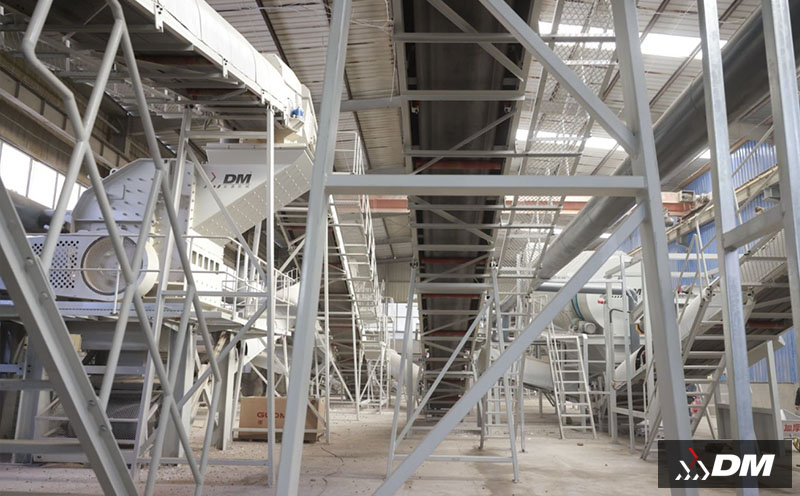
Scientific Disposal Solutions and Practical Approaches for Construction Waste
As an inevitable solid waste in the process of urban development, the standardized disposal of construction waste is a core link in practicing the concept of green development and promoting circular economy. Different from the disposal logic of domestic waste and industrial waste, due to its characteristics of concentrated components and great recycling potential, construction waste needs to establish a full-chain disposal system from source reduction to end-of-pipe harmless treatment to achieve the resource conversion goal of "turning waste into treasure".
I. Core Guiding Principles for Construction Waste Disposal
1. Priority to Source Reduction: Optimize building material selection and construction technology in the engineering design stage to reduce cutting losses; adopt refined technology in demolition operations to avoid resource waste caused by excessive crushing, and fundamentally reduce the generation of construction waste.
2. Resource Utilization as the Core: Focus on the efficient conversion of recyclable components in construction waste, transform waste into recycled building materials through professional processing, replace natural resources, and alleviate the pressure of building material supply.
3. Harmless Disposal as the Safeguard: For construction waste containing harmful impurities and non-recyclable materials, strictly implement isolated landfill and harmless treatment in accordance with environmental protection standards to prevent secondary pollution of soil, water bodies and atmosphere.
II. Full-Process Implementation Steps for Construction Waste Disposal
- On-site Classification and Sorting: Set up dedicated classification areas at construction and demolition sites, clearly divide categories such as waste concrete, waste metal, waste bricks and tiles, waste wood, etc., and assign special personnel to be responsible for sorting to ensure that different types of construction waste are not mixed and transported together.
- Preliminary Preprocessing Operations: Conduct on-site initial crushing of large-volume construction waste (such as entire waste walls, large concrete components), remove pollutants such as paint coatings and plastic impurities, and reduce costs for subsequent transportation and deep processing.
- Professional Transportation: Transport the classified construction waste to qualified professional treatment plants through closed vehicles, avoid environmental problems such as scattering and dust along the way, and ensure the environmental friendliness of the transportation link.
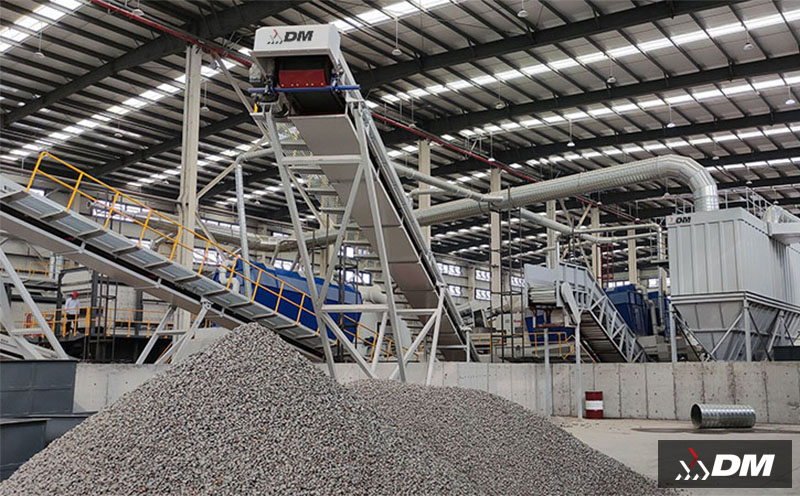
- Deep Processing and Resource Conversion: In the treatment plant, through a series of processes such as crushing, screening, cleaning and purification, process waste concrete and bricks into recycled aggregates for the production of permeable bricks, road subgrades and small precast components; waste steel and aluminum are sorted and sent to smelters for remelting and recycling to realize resource circulation.
- End-of-Pipe Safe Disposal: Transport a small amount of non-recyclable construction waste after sorting (such as contaminated paint residues and waste waterproof materials) to compliant harmless landfills, and adopt anti-seepage and leakage-proof technology for landfill treatment to eliminate environmental risks.
III. Targeted Disposal Technologies for Different Types of Construction Waste
- Waste Concrete/Waste Bricks and Tiles: After multi-stage crushing and screening, they are made into recycled aggregates of different particle sizes. Coarse aggregates can be used for road base paving, fine aggregates can be mixed into recycled mortar, and high-quality recycled aggregates can be used for precast component production.
- Waste Metal (Steel Bars, Aluminum, etc.): Separated and recycled through magnetic separation, manual sorting and other methods, and reprocessed into metal profiles through smelting and rolling, with a recycling rate of over 90% and significant resource value.
- Waste Wood: After removing decayed and contaminated parts, it can be processed into recycled timber and formwork for reuse; wood chips that cannot be directly used can be made into biomass fuel or raw materials for artificial boards to realize energy recovery.
- Hazardous Construction Waste (Waste Paint, Waste Waterproof Materials): Collected separately and stored in sealed containers as hazardous waste, and handed over to qualified hazardous waste treatment enterprises for harmless disposal by incineration, chemical treatment and other methods. Mixing with ordinary construction waste is strictly prohibited.
IV. Industry Standards and Policy Support for Construction Waste Disposal
China has issued a series of policies and regulations such as the "Technical Standard for Construction Waste Disposal" and the "Circular Economy Promotion Law", clearly requiring construction units to formulate special construction waste disposal plans and implement responsibilities for classification, transportation and utilization; local governments have promoted the development of the construction waste resource utilization industry through incentive policies such as subsidizing recycled building material production enterprises and promoting the application of recycled products. At the same time, industry supervision departments have strengthened law enforcement inspections throughout the entire process of construction waste disposal, and severely cracked down on illegal acts such as arbitrary dumping and unauthorized landfill.
V. New Development Trends in the Construction Waste Disposal Industry
In the future, construction waste disposal will show a dual upgrading trend of "on-site treatment + digital management and control". On the one hand, mobile crushing and screening equipment will be widely used at construction sites to realize "on-site processing and on-site reuse" of construction waste, greatly reducing transportation costs; on the other hand, build a construction waste traceability system with the help of Internet of Things and big data technology to conduct real-time monitoring of output, classification status and disposal direction, improving the transparency and management efficiency of the entire disposal process. In addition, the performance improvement and application scenario expansion of recycled building materials will become the focus of research and development, promoting the high-quality and wide-ranging development of construction waste resource utilization.
In conclusion, the scientific disposal of construction waste is by no means a simple "garbage collection and transportation", but a systematic project integrating technological innovation, policy guidance and industrial collaboration. By adhering to source reduction, strengthening resource utilization and implementing strict harmless disposal, we can not only resolve the environmental pressure caused by construction waste, but also tap into its underlying resource value, providing solid support for the green transformation of the construction industry and the sustainable development of cities.


We will answer your email shortly!