


Latest blog
Fixed Jaw Crusher: Is Bigger Better? Aggregate Grading Fails to Meet Standard... Shanghai Dongmeng Heavy Industry Debuts ... How to Match the Screening System for Cr... How to Troubleshoot Common Crusher Fault... A Complete Guide to Mobile Crushing Stat...
Fixed Jaw Crusher Stations for EPC Infrastructure Project Delivery
27 Jul 2026
0View
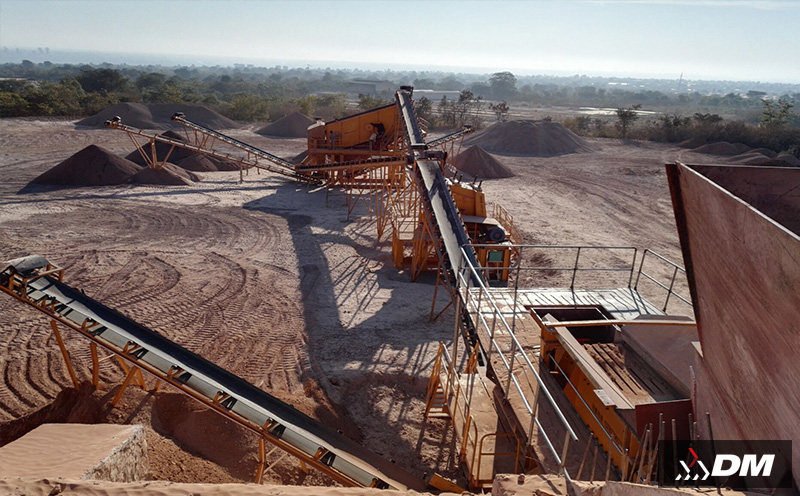
Large infrastructure projects—dams, highways, ports, airports, and hydroelectric facilities—demand crushing solutions that are as much about project delivery as they are about rock breaking. Engineering, Procurement, and Construction (EPC) contractors are measured by schedule adherence, budget performance, and handover quality. Every piece of equipment on site must fit into a carefully orchestrated project timeline, and the primary crushing station is often one of the first permanent facilities to go into operation. This is where the engineered fixed jaw crusher station comes into its own. Far more than a standalone machine, a properly designed stationary jaw station is an integrated system—crusher, feeder, hopper, drive, controls, dust collection, and support structure—engineered as a complete package for the specific project geology, production target, and site layout. For EPC contractors delivering mega-infrastructure, selecting the right fixed jaw crusher package is not an equipment purchase; it is a project delivery decision that affects excavation schedules, concrete production timelines, and ultimately the project's critical path.
The EPC Contractor's Crushing Challenges
EPC projects present a unique set of crushing requirements that differ from commercial quarry operations. First, the project timeline is fixed and non-negotiable. The crushing station must be designed, procured, fabricated, shipped, installed, and commissioned within a narrow window. Delays in crusher delivery or commissioning cascade through the entire project schedule. Second, the feed material is defined by the project geology, not by selecting a quarry. A dam project may encounter hard granite, soft sandstone, or mixed geology—all within the same excavation. The fixed jaw crusher must handle whatever the excavation produces. Third, production demand is variable over the project lifecycle. Early site works may require only base course aggregate; later, when concrete production ramps up, demand for crushed rock peaks. Fourth, the crusher station is often a permanent asset that transfers to the client at project handover. It must be built to client specifications, regulatory standards, and long-term operational requirements, not just temporary construction needs. Fifth, site conditions can be challenging—remote locations, limited access, extreme temperatures, high altitude, seismic zones. The crusher design must accommodate all of these.
How an Engineered Fixed Jaw Crusher Station Addresses EPC Needs
Integrated System Design, Not a Loose Collection of Parts
A project-grade fixed jaw crusher station is delivered as a complete engineered system. The package includes the jaw crusher itself, a matched vibrating grizzly feeder, a structural steel feed hopper sized for the project's dump truck fleet, drive guards, motor and V-belt drive, discharge chute, access platforms and stairs, dust collection hoods, and a local control panel. Everything is designed to work together, sized for the specified throughput, and fabricated to project standards. This integrated approach eliminates the interface risk that comes when a contractor sources the crusher from one supplier, the feeder from another, and the structure from a third.
Foundation and Structural Engineering for Site Conditions
Every fixed jaw crusher requires a substantial foundation, and on EPC projects, foundation design is site-specific. Geotechnical data determines bearing capacity, seismic requirements influence structural design, and climate factors—frost depth, flood levels, wind loads—all shape the final foundation and structure. An engineered jaw station package includes full foundation drawings, structural calculations, and reinforcement details tailored to the actual site conditions. This level of engineering is essential for infrastructure projects where the client's independent engineer must review and approve every structural component.
Compliance with Project and National Standards
Infrastructure projects operate under strict standards—ISO, ASTM, BS, EN, or local national standards—and the crushing station must comply with all of them. Motor specifications, electrical systems, safety guarding, structural steel grades, welding procedures, and nondestructive testing requirements are all defined in the project specification. A properly packaged fixed jaw crusher station is designed and fabricated with full traceability, inspection records, and compliance documentation, making the client's review and acceptance process straightforward.
Commissioning Support and Performance Guarantees
EPC contractors need more than equipment delivery; they need successful commissioning and performance acceptance. A complete jaw station package includes installation supervision, commissioning engineers, and a performance guarantee—typically a guaranteed throughput rate at a specified discharge size with the project's actual feed material. This turnkey approach transfers performance risk from the contractor to the equipment supplier, which is a major advantage on fixed-price EPC contracts where overruns come directly out of margin.
Key EPC Application Scenarios
Dam and Hydroelectric Project Aggregate Production
Dams are among the largest consumers of crushed aggregate in the world. A single large dam can require millions of tons of crushed rock for concrete aggregate, filter materials, and riprap. The fixed jaw crusher station is the primary stage of the on-site aggregate plant, feeding downstream cone crushers, impact crushers, and screening plants. Because dam projects often run for five to ten years, the crushing station is built as a permanent facility and must deliver reliable production throughout the construction period. The jaw crusher is sized for peak demand during the main concrete placement phase, with enough capacity to feed the entire downstream plant without becoming a bottleneck.
Highway and Expressway Construction Camps
Major highway projects require on-site aggregate production to supply base course, subbase, and concrete aggregate along the construction corridor. While mobile crushers are often used for smaller highway jobs, large multi-year expressway projects frequently include a permanent fixed jaw crusher station at the main borrow pit or quarry site. This stationary primary station feeds a complete crushing and screening plant that produces all the aggregate needed for the project. At project completion, the plant may be decommissioned, relocated, or sold as a used asset depending on the contract structure.
Port and Marine Infrastructure Projects
Port construction, breakwater building, and coastal protection works require large volumes of armor stone, riprap, and graded aggregate. A fixed jaw crusher station installed at the quarry or on the port site supplies the various rock sizes needed for different parts of the marine structure. Because port projects are often in coastal environments, the crusher station may require additional corrosion protection for steel structures, electrical components rated for humid salt-air conditions, and foundations designed to withstand possible storm surges.
Airport Runway and Apron Construction
Airport projects demand extremely high-quality aggregate for concrete runways, taxiways, and aprons. The fixed jaw crusher is the first stage in a carefully designed crushing and screening circuit that produces clean, cubical, well-graded concrete aggregate. Airport specifications are among the strictest in the industry, and the primary jaw must produce a consistent product that feeds efficiently into secondary and tertiary stages without creating excessive flat and elongated particles.
Rail and High-Speed Rail Ballast Production
Railway ballast has very specific gradation and particle shape requirements, and high-speed rail ballast specifications are even tighter. A fixed jaw crusher station feeding a cone and screening circuit produces the durable, angular, well-graded ballast that rail lines require. The jaw crusher's role is to reduce blasted rock to a size that the secondary cone can efficiently process into specification ballast. On major rail projects, the ballast plant is often purpose-built for the project and operates for the duration of construction.
Customer Benefits for EPC Contractors
Single-Source Accountability
When the fixed jaw crusher station comes as a complete engineered package from a single supplier, the EPC contractor has one point of contact for design, delivery, installation, and commissioning. If there is a problem with throughput, there is no finger-pointing between the crusher supplier, the feeder supplier, and the structural fabricator. The package supplier owns the performance of the entire station.
Schedule Certainty
EPC projects live or die by the schedule. An engineered jaw station package with fixed lead times, pre-approved designs, and proven installation procedures gives the contractor confidence that the crushing station will be ready when needed. This schedule certainty is especially valuable for the primary crushing station, which is on the critical path for all downstream aggregate production.
Reduced Engineering and Procurement Workload
Designing a crushing station from scratch—selecting the crusher, sizing the feeder, designing the hopper, calculating foundation loads, specifying the electrical system—requires significant engineering and procurement effort. A packaged fixed jaw crusher station comes with all of this engineering already completed, reducing the contractor's in-house engineering workload and freeing staff to focus on other project elements.
Smooth Handover and Client Acceptance
Because the station is fully documented, compliant with project standards, and performance-tested at commissioning, the handover process to the client is straightforward. All operating and maintenance manuals, spare parts lists, inspection records, and as-built drawings are delivered as part of the package. This documentation completeness is essential for passing client acceptance and closing out the contract.
Selection Logic for EPC Projects
Selecting a fixed jaw crusher station for an EPC project begins with the project's aggregate demand profile—peak tonnage, product specifications, and project duration. From there, the feed material characteristics—maximum size, rock type, abrasiveness, moisture—determine crusher size and chamber type. Site conditions—space available, elevation, climate, seismic zone—influence structural and foundation design. The contractor should also evaluate the supplier's capability in project engineering, documentation quality, commissioning support, and aftermarket service in the project region. Important commercial factors include delivery lead time, payment terms, performance guarantee terms, and warranty coverage. For large projects, it is also worth considering whether the supplier can provide the entire crushing and screening plant as a single package, not just the jaw station, to further reduce interface risk.
Operation and Maintenance During Project Execution
Phased Commissioning and Ramp-Up
On EPC projects, the fixed jaw crusher station is typically commissioned before the rest of the plant is fully operational. This phased approach allows the jaw to start producing base course material early while downstream equipment is still being installed. Operators should follow the manufacturer's ramp-up procedure, gradually increasing feed rate and running time as bearings and drive components seat in.
Spare Parts Strategy for Remote Sites
Many infrastructure projects are in remote locations where spare parts availability is limited. The contractor should work with the supplier to develop a recommended spare parts list for the project duration—critical wear parts like jaw plates and toggle seats, plus mechanical spares like bearings and belts. Having the right parts on site from day one avoids costly shutdowns waiting for shipments.
Operator Training and Documentation
Project operators may not have prior experience with the specific fixed jaw crusher model. Formal operator and maintenance technician training—either at the factory or on site during commissioning—ensures that the machine is operated correctly from day one. Clear, well-illustrated operation and maintenance manuals in the local language are essential for long-term proper operation, especially after the supplier's commissioning engineer has demobilized.
Performance Monitoring and Optimization
During production, operators should monitor the jaw crusher's throughput, power draw, and product size regularly. If performance falls short of the guaranteed values, the supplier should be engaged to investigate and resolve the issue while the performance guarantee is still in effect. Good performance data during the project also provides a baseline for the client's long-term operation after handover.
Decommissioning and Relocation Planning
For temporary project plants, planning for decommissioning should begin early. The fixed jaw crusher station should be designed with bolted connections where possible to facilitate disassembly. Foundations may need to be broken out and the site restored as part of project closeout. If the equipment will be relocated to another project, proper disassembly, preservation, and packing procedures protect the investment.
Conclusion
For EPC contractors delivering major infrastructure projects, the fixed jaw crusher station is far more than a piece of process equipment—it is a critical project system that sits on the critical path and influences everything from excavation schedules to concrete production rates. Approaching the primary crusher as a complete engineered station rather than a standalone machine reduces interface risk, improves schedule certainty, and simplifies client handover. When selected with careful attention to project geology, production requirements, site conditions, and supplier capability, and delivered as a fully documented, performance-guaranteed package, the stationary jaw station becomes a reliable foundation upon which the entire project's aggregate production program is built. For dam builders, highway constructors, port developers, and airport contractors alike, getting the primary crushing station right is one of the most important steps in delivering a successful infrastructure project on time, on budget, and to the satisfaction of the client.


We will answer your email shortly!