


Latest blog
How to Troubleshoot Common Crusher Fault... A Complete Guide to Mobile Crushing Stat... Unstable Primary Crushing in Large Mines... How to Choose a Reliable Crusher Manufac... Crushers: Classification, Selection Prin... Performance advantages of tire‑mounted m...
Fixed Jaw Crushers: Quarry Reliability
24 Aug 2026
0View
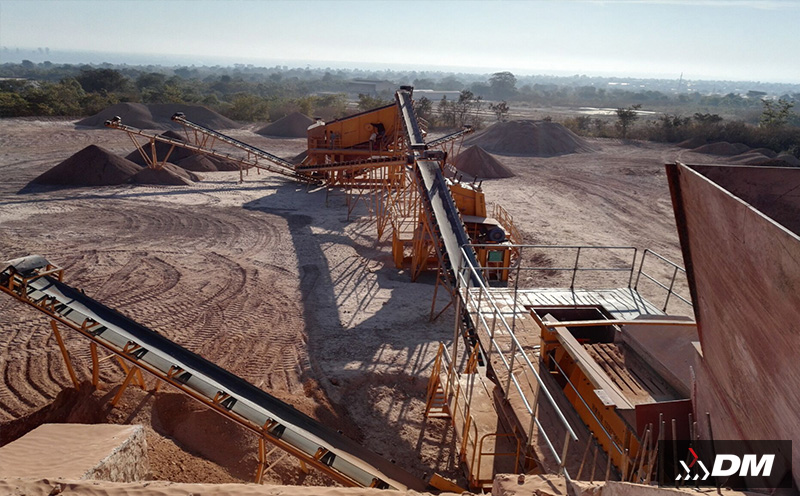
In the high-stakes world of aggregate production, the primary crushing stage is the heartbeat of the entire operation. When throughput stalls or maintenance costs spiral, the bottleneck is rarely the secondary circuit—it is almost always at the primary jaw. Quarry managers face relentless pressure to maximize yield from every blast, reduce downtime for maintenance, and maintain consistent product gradation despite variations in feed material. Addressing these challenges requires more than just adding horsepower; it demands a strategic approach to primary crushing that prioritizes long-term reliability and operational efficiency. For permanent operations, a fixed jaw crusher serves as the foundational asset, engineered to handle the toughest compressive strengths while delivering predictable economics over decades of service.
Tackling Hard Rock and Variable Feed
Quarries often deal with abrasive, hard rock formations that test the limits of crushing equipment. A fixed jaw crusher is specifically engineered to handle these demanding conditions without flinching. Modern designs feature optimized kinematics and deeper crushing cavities, ensuring that even the largest boulders are nipped and processed efficiently. The stationary nature of this equipment allows for robust civil engineering foundations that absorb vibration and maintain alignment, even under extreme loads. This stability is crucial when processing variable feed materials, as it ensures consistent nip angles and crushing forces. Unlike mobile units that may shift on uneven terrain, a fixed jaw crusher maintains precise chamber geometry, translating directly to consistent product sizing and reduced recirculation loads downstream.
Quarries often deal with abrasive, hard rock formations that test the limits of crushing equipment. A fixed jaw crusher is specifically engineered to handle these demanding conditions without flinching. Modern designs feature optimized kinematics and deeper crushing cavities, ensuring that even the largest boulders are nipped and processed efficiently. The stationary nature of this equipment allows for robust civil engineering foundations that absorb vibration and maintain alignment, even under extreme loads. This stability is crucial when processing variable feed materials, as it ensures consistent nip angles and crushing forces. Unlike mobile units that may shift on uneven terrain, a fixed jaw crusher maintains precise chamber geometry, translating directly to consistent product sizing and reduced recirculation loads downstream.
Maximizing Uptime Through Smart Design
Downtime is the enemy of profitability in permanent quarry operations. Leading manufacturers have addressed this by integrating hydraulic adjustment systems and tramp iron protection into fixed jaw crusher platforms. Hydraulic clearing allows operators to quickly remove uncrushable materials that could otherwise cause catastrophic damage or hours of manual labor. Furthermore, modern jaw dies are designed with optimized profiles that maintain their crushing geometry for longer periods, extending wear life and reducing the frequency of changeouts. Centralized lubrication systems and easy-access inspection platforms streamline daily checks, while wear monitoring technologies predict liner replacement needs before performance degrades. This data-driven approach transforms maintenance from a reactive cost center into a strategic advantage, ensuring maximum availability during peak production periods.
Downtime is the enemy of profitability in permanent quarry operations. Leading manufacturers have addressed this by integrating hydraulic adjustment systems and tramp iron protection into fixed jaw crusher platforms. Hydraulic clearing allows operators to quickly remove uncrushable materials that could otherwise cause catastrophic damage or hours of manual labor. Furthermore, modern jaw dies are designed with optimized profiles that maintain their crushing geometry for longer periods, extending wear life and reducing the frequency of changeouts. Centralized lubrication systems and easy-access inspection platforms streamline daily checks, while wear monitoring technologies predict liner replacement needs before performance degrades. This data-driven approach transforms maintenance from a reactive cost center into a strategic advantage, ensuring maximum availability during peak production periods.
Operational Efficiency and Cost Structure
The decision to invest in a fixed jaw crusher is fundamentally an economic one. While mobile units offer flexibility, they come with higher hourly operating costs due to diesel engines, track maintenance, and more frequent relocations. A fixed jaw crusher, powered by grid electricity and mounted on permanent foundations, offers significantly lower operating costs per ton over a multi-year horizon. The ability to integrate with static screening plants and stockpile systems enables full automation, reducing labor requirements and improving consistency. For large-scale operations processing millions of tons annually, these savings compound dramatically, often delivering return on investment within the first few years of operation. The key is matching crusher capacity to long-term production forecasts, ensuring the equipment is neither underutilized nor overwhelmed.
The decision to invest in a fixed jaw crusher is fundamentally an economic one. While mobile units offer flexibility, they come with higher hourly operating costs due to diesel engines, track maintenance, and more frequent relocations. A fixed jaw crusher, powered by grid electricity and mounted on permanent foundations, offers significantly lower operating costs per ton over a multi-year horizon. The ability to integrate with static screening plants and stockpile systems enables full automation, reducing labor requirements and improving consistency. For large-scale operations processing millions of tons annually, these savings compound dramatically, often delivering return on investment within the first few years of operation. The key is matching crusher capacity to long-term production forecasts, ensuring the equipment is neither underutilized nor overwhelmed.
Maintenance and Lifecycle Management
Sustaining high output from a fixed jaw crusher requires disciplined maintenance practices. Regular inspection of hydraulic systems, lubrication circuits, and drive components prevents unexpected failures. Vibration analysis and oil sampling detect bearing wear and contamination before they cause catastrophic damage. Liner wear monitoring ensures optimal crushing geometry is maintained throughout the wear cycle. Planned shutdowns for major maintenance can be scheduled during low-demand periods, minimizing production impact. The permanent nature of fixed installations allows for comprehensive maintenance infrastructure—cranes, tool cribs, and spare parts storage—that further reduces downtime and maintenance costs. This level of infrastructure investment is simply not feasible with mobile units, giving fixed jaw crushers a distinct advantage in long-term reliability.
Sustaining high output from a fixed jaw crusher requires disciplined maintenance practices. Regular inspection of hydraulic systems, lubrication circuits, and drive components prevents unexpected failures. Vibration analysis and oil sampling detect bearing wear and contamination before they cause catastrophic damage. Liner wear monitoring ensures optimal crushing geometry is maintained throughout the wear cycle. Planned shutdowns for major maintenance can be scheduled during low-demand periods, minimizing production impact. The permanent nature of fixed installations allows for comprehensive maintenance infrastructure—cranes, tool cribs, and spare parts storage—that further reduces downtime and maintenance costs. This level of infrastructure investment is simply not feasible with mobile units, giving fixed jaw crushers a distinct advantage in long-term reliability.
Strategic Investment for Long-Term Success
The decision to deploy a fixed jaw crusher is a long-term strategic commitment. It requires significant upfront capital for equipment, civil works, and electrical infrastructure. However, for producers with stable feed sources and consistent market demand, the long-term economics are compelling. Lower operating costs, higher availability, and superior product consistency translate to competitive advantages in bidding and customer retention. Fixed jaw crushers also retain value well, with robust secondary markets for used equipment. For producers planning multi-decade operations, the fixed jaw crusher is not just a piece of equipment—it is a foundational asset that underpins business sustainability and growth. By investing in advanced fixed jaw technology and integrating it into optimized crushing circuits, producers can secure their competitive position and maximize returns for decades to come.
The decision to deploy a fixed jaw crusher is a long-term strategic commitment. It requires significant upfront capital for equipment, civil works, and electrical infrastructure. However, for producers with stable feed sources and consistent market demand, the long-term economics are compelling. Lower operating costs, higher availability, and superior product consistency translate to competitive advantages in bidding and customer retention. Fixed jaw crushers also retain value well, with robust secondary markets for used equipment. For producers planning multi-decade operations, the fixed jaw crusher is not just a piece of equipment—it is a foundational asset that underpins business sustainability and growth. By investing in advanced fixed jaw technology and integrating it into optimized crushing circuits, producers can secure their competitive position and maximize returns for decades to come.
In conclusion, fixed jaw crushers remain the gold standard for high-volume, permanent quarry operations. Their stability, efficiency, and long-term economics make them indispensable for producers targeting consistent, high-spec product output. While mobile crushers offer flexibility for changing conditions, fixed jaw crushers deliver the reliability and cost performance that permanent operations demand. By focusing on uptime, wear efficiency, and strategic deployment, quarry operators can transform their primary crushing stage from a bottleneck into a competitive advantage, ensuring consistent profitability in an increasingly demanding market.
Prev Post
Tracked Jaw Crushers: Face Crushing

We will answer your email shortly!