


Latest blog
How to Troubleshoot Common Crusher Fault... A Complete Guide to Mobile Crushing Stat... Unstable Primary Crushing in Large Mines... How to Choose a Reliable Crusher Manufac... Crushers: Classification, Selection Prin... Performance advantages of tire‑mounted m...
Boost Quarry Output With Jaw Crushers
17 Aug 2026
0View
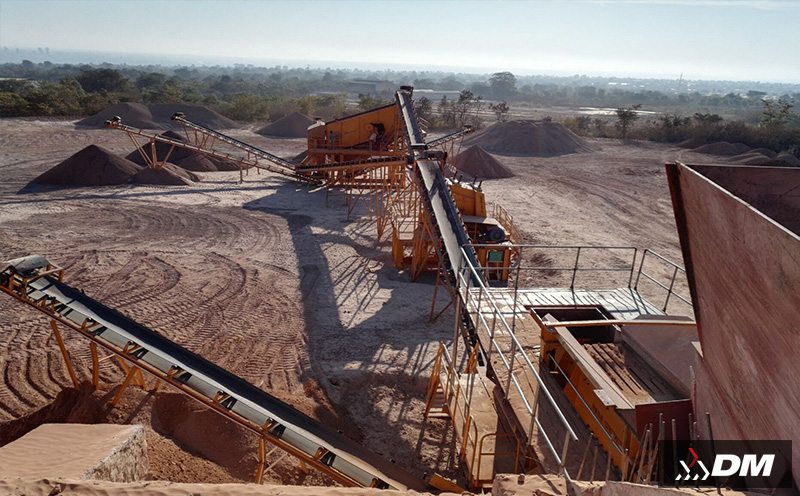
In the demanding world of quarrying and heavy aggregate production, the primary crushing stage dictates the rhythm of the entire operation. When throughput stalls or wear costs spiral, the bottleneck is rarely the secondary circuit—it is almost always at the primary jaw. Quarry managers face relentless pressure to maximize yield from every blast, reduce downtime for maintenance, and maintain consistent product gradation despite variations in feed material. Addressing these challenges requires more than just adding horsepower; it demands a strategic approach to primary crushing that balances stationary reliability with mobile flexibility.
Tackling Hard Rock and Variable Feed
Quarries often deal with abrasive, hard rock formations that test the limits of crushing equipment. A fixed jaw crusher serves as the backbone of a permanent quarry setup, engineered to handle the toughest compressive strengths without flinching. Modern designs feature optimized kinematics and deeper crushing cavities, ensuring that even the largest boulders are nipped and processed efficiently. However, quarries also face seasonal shifts and varying face conditions. This is where a tracked mobile jaw crusher becomes an invaluable asset. By bringing the crushing action directly to the active face, operators eliminate costly wheel loader cycles and reduce haulage distances. The ability to reposition the primary crusher as the quarry bench advances ensures a consistent feed size and minimizes the degradation of material during transport.
Quarries often deal with abrasive, hard rock formations that test the limits of crushing equipment. A fixed jaw crusher serves as the backbone of a permanent quarry setup, engineered to handle the toughest compressive strengths without flinching. Modern designs feature optimized kinematics and deeper crushing cavities, ensuring that even the largest boulders are nipped and processed efficiently. However, quarries also face seasonal shifts and varying face conditions. This is where a tracked mobile jaw crusher becomes an invaluable asset. By bringing the crushing action directly to the active face, operators eliminate costly wheel loader cycles and reduce haulage distances. The ability to reposition the primary crusher as the quarry bench advances ensures a consistent feed size and minimizes the degradation of material during transport.
Maximizing Uptime Through Smart Design
Downtime is the enemy of profitability. Leading manufacturers have addressed this by integrating hydraulic adjustment systems and tramp iron protection into both fixed jaw crusher and tracked mobile jaw crusher platforms. Hydraulic clearing allows operators to quickly remove uncrushable materials that could otherwise cause catastrophic damage or hours of manual labor. Furthermore, modern jaw dies are designed with optimized profiles that maintain their crushing geometry for longer periods, extending wear life and reducing the frequency of changeouts. For tracked units, robust track pads and self-leveling conveyors ensure stability and continuous operation even on uneven terrain, further protecting uptime.
Downtime is the enemy of profitability. Leading manufacturers have addressed this by integrating hydraulic adjustment systems and tramp iron protection into both fixed jaw crusher and tracked mobile jaw crusher platforms. Hydraulic clearing allows operators to quickly remove uncrushable materials that could otherwise cause catastrophic damage or hours of manual labor. Furthermore, modern jaw dies are designed with optimized profiles that maintain their crushing geometry for longer periods, extending wear life and reducing the frequency of changeouts. For tracked units, robust track pads and self-leveling conveyors ensure stability and continuous operation even on uneven terrain, further protecting uptime.
Operational Flexibility and Cost Efficiency
The decision between stationary and mobile primary crushing often comes down to the life of the quarry and the nature of the deposit. A fixed jaw crusher offers superior long-term economics for large-scale, permanent operations with stable infrastructure. It can be integrated with static screening plants and stockpile systems for maximum automation. Conversely, a tracked mobile jaw crusher shines in contract crushing, recycling applications, or quarries with multiple dispersed pits. The mobility allows a single unit to serve multiple sites, drastically reducing capital expenditure compared to installing multiple stationary plants. Fuel efficiency has also improved dramatically, with many tracked jaws now featuring hybrid electric drives or advanced engine management systems that lower cost-per-ton metrics.
The decision between stationary and mobile primary crushing often comes down to the life of the quarry and the nature of the deposit. A fixed jaw crusher offers superior long-term economics for large-scale, permanent operations with stable infrastructure. It can be integrated with static screening plants and stockpile systems for maximum automation. Conversely, a tracked mobile jaw crusher shines in contract crushing, recycling applications, or quarries with multiple dispersed pits. The mobility allows a single unit to serve multiple sites, drastically reducing capital expenditure compared to installing multiple stationary plants. Fuel efficiency has also improved dramatically, with many tracked jaws now featuring hybrid electric drives or advanced engine management systems that lower cost-per-ton metrics.
Maintenance and Lifecycle Management
Sustaining high output requires disciplined maintenance. For fixed jaw crusher installations, centralized lubrication systems and easy-access inspection platforms streamline daily checks. Wear monitoring technologies are increasingly being adopted to predict liner replacement needs before performance degrades. With tracked mobile jaw crusher units, the focus shifts to track tension, conveyor belt alignment, and hydraulic system integrity. Remote monitoring capabilities allow fleet managers to track engine hours, fuel consumption, and fault codes in real time, enabling proactive maintenance scheduling. This data-driven approach transforms maintenance from a reactive cost center into a strategic advantage.
Sustaining high output requires disciplined maintenance. For fixed jaw crusher installations, centralized lubrication systems and easy-access inspection platforms streamline daily checks. Wear monitoring technologies are increasingly being adopted to predict liner replacement needs before performance degrades. With tracked mobile jaw crusher units, the focus shifts to track tension, conveyor belt alignment, and hydraulic system integrity. Remote monitoring capabilities allow fleet managers to track engine hours, fuel consumption, and fault codes in real time, enabling proactive maintenance scheduling. This data-driven approach transforms maintenance from a reactive cost center into a strategic advantage.
Investment Returns and Strategic Selection
Ultimately, the choice of primary jaw crusher is an investment decision. A fixed jaw crusher typically offers lower operating costs per ton over a decade-long horizon but requires significant civil works and infrastructure. A tracked mobile jaw crusher commands a higher hourly operating cost but delivers unmatched flexibility and faster return on investment for short-to-medium term projects or multi-site operators. Smart quarry managers often employ a hybrid strategy: using a robust fixed jaw for base-load production while deploying tracked units to capture marginal reserves or handle surge capacity during peak demand. This balanced approach optimizes both capital utilization and operational resilience.
Ultimately, the choice of primary jaw crusher is an investment decision. A fixed jaw crusher typically offers lower operating costs per ton over a decade-long horizon but requires significant civil works and infrastructure. A tracked mobile jaw crusher commands a higher hourly operating cost but delivers unmatched flexibility and faster return on investment for short-to-medium term projects or multi-site operators. Smart quarry managers often employ a hybrid strategy: using a robust fixed jaw for base-load production while deploying tracked units to capture marginal reserves or handle surge capacity during peak demand. This balanced approach optimizes both capital utilization and operational resilience.
In conclusion, maximizing quarry output is not merely about selecting the biggest crusher; it is about aligning crushing technology with operational realities. Whether deploying a fixed jaw crusher for permanent high-volume production or leveraging a tracked mobile jaw crusher for agility and face crushing, the right primary crushing solution sets the foundation for aggregate success. By focusing on uptime, wear efficiency, and strategic deployment, quarry operators can transform their primary crushing stage from a bottleneck into a competitive advantage, ensuring consistent profitability in an increasingly demanding market.
Prev Post
Mobile Cone Crushers: Agile Aggregate

We will answer your email shortly!