


Latest blog
A Complete Guide to Mobile Crushing Stat... Unstable Primary Crushing in Large Mines... How to Choose a Reliable Crusher Manufac... Crushers: Classification, Selection Prin... Performance advantages of tire‑mounted m... What are the characteristics of tire‑mou...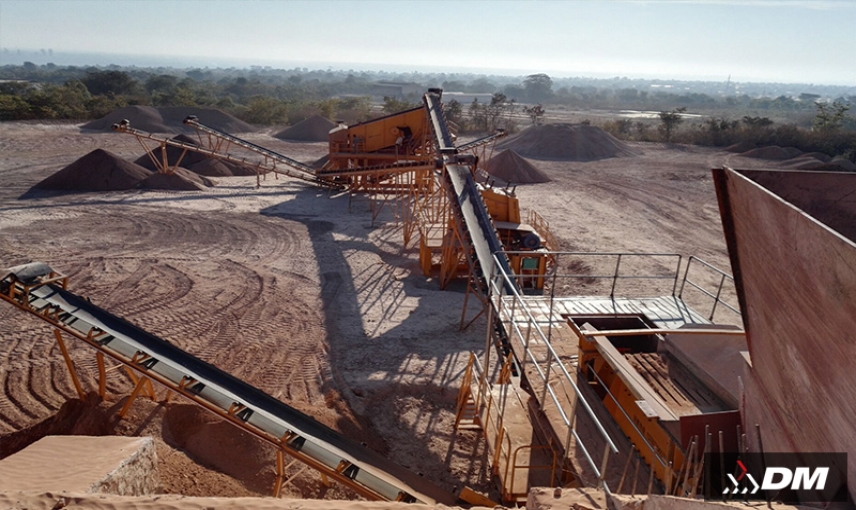
Fixed Jaw Crushers for Hydropower Dam Aggregate Production
10 Aug 2026
0View
Hydropower dams are among the largest and most demanding infrastructure projects on Earth. A single major dam can require five to ten million tons of crushed aggregate for concrete, filter materials, riprap, and embankment construction. The quality and consistency of this aggregate directly affect the strength, durability, and long-term performance of the dam structure itself. At the head of every dam project's aggregate production system sits the primary crusher—the machine that reduces blasted rock from the quarry or spillway excavation into feed for the rest of the processing plant. For these massive, multi-year projects, the fixed jaw crusher is the industry standard primary crusher, chosen for its rugged construction, reliable performance under continuous heavy load, and proven ability to handle the hardest rock formations found in dam construction. Unlike mobile crushers designed for temporary job-site work, a stationary jaw crusher at a dam project is a permanent installation—built on massive concrete foundations, integrated with a complete crushing and screening plant, and expected to run reliably for the entire construction period and often beyond.
The Unique Demands of Dam Aggregate Production
Producing aggregate for a major dam is nothing like producing aggregate for a typical construction project. First, the volume is enormous. A large concrete dam can consume several million tons of coarse and fine aggregate, all of which must be crushed, screened, and washed to exacting specifications. The primary fixed jaw crusher must sustain very high throughput rates for years without interruption. Second, the rock is often extremely hard and abrasive. Dam sites are typically located in mountainous areas with granite, basalt, gneiss, or other hard rock formations that wear out crushers quickly if they are not built for the duty. Third, quality requirements are exceptionally strict. Dam concrete aggregate must meet precise gradation, soundness, and durability standards because the structural integrity of the dam depends on it. The primary crusher must produce consistent feed that allows downstream stages to meet these tight specifications. Fourth, the project timeline is long—often five to ten years or more—and the crusher must be available and productive throughout. Fifth, the crushing plant is usually built on site near the dam quarry or excavation area, and it must integrate with the project's overall material handling system including conveyors, stockpiles, and batch plants.
How a Heavy-Duty Fixed Jaw Crusher Meets Dam Project Requirements
Massive Construction for Continuous Heavy Duty
A dam-project fixed jaw crusher is built on a different scale than standard quarry machines. The frame is heavier, the eccentric shaft is larger in diameter, and the bearings are sized for the most demanding continuous duty cycles. The toggle mechanism—whether single-toggle for high throughput or double-toggle Blake design for maximum durability on the hardest rock—is engineered for 24/7 operation under full load. Flywheels are massive to store energy and smooth out the cyclic crushing forces, which is both mechanically necessary and electrically beneficial for reducing peak power demand on the project's generator or grid connection. Every component is over-engineered because the cost of a major crusher failure on a dam project—delaying concrete production, idling hundreds of workers, and pushing back the project schedule—is simply too high.
Large Feed Size and High Throughput Capacity
Dam quarries produce very large feed material from blasting—boulders a meter or more across are common. A heavy-duty fixed jaw crusher with a wide feed opening accepts this large feed without pre-breaking, reducing drilling and blasting costs and improving quarry productivity. The deep crushing chamber and long stroke ensure that even the largest feed pieces are drawn through the chamber efficiently, delivering the high throughput rates that multi-million-ton aggregate programs require. For the largest dam projects, operators sometimes install two primary jaw crushers in parallel to handle peak demand and provide redundancy.
Consistent Product for Downstream Quality Control
While the jaw crusher is only the first stage, its performance sets the stage for everything downstream. A well-designed fixed jaw crusher produces a consistent, well-graded primary product that feeds efficiently into secondary cone crushers and tertiary impactors or cones. Consistent primary product size means more stable operation of downstream equipment, more predictable screening efficiency, and ultimately better control over the final aggregate gradation. For dam projects where every batch of concrete must meet strict quality standards, this consistency from the primary stage onward is essential.
Integration with Complete On-Site Aggregate Plants
On a dam project, the fixed jaw crusher does not stand alone. It is the first unit in a complete stationary aggregate processing plant that typically includes primary jaw, secondary cone, tertiary cone or impactor, multiple fixed screening machine units, washing and dewatering equipment, and an extensive conveyor system connecting everything. The entire plant is designed as an integrated system, with each machine sized for balanced flow and the jaw crusher setting the overall throughput capacity of the plant. This level of integration is only practical with stationary equipment, and it is the most efficient way to produce the large volumes of high-quality aggregate that dam construction demands.
Key Dam Project Application Scenarios
Concrete Gravity and Arch Dam Aggregate Systems
Concrete dams—whether gravity dams, arch dams, or buttress dams—consume the largest volumes of aggregate and have the strictest quality requirements. The fixed jaw crusher is the primary stage of the on-site aggregate plant, feeding a multi-stage crushing and screening circuit that produces all the coarse and fine aggregate needed for the dam concrete. Because the concrete volume is so large, the primary jaw must be sized for very high throughput—often 500 to 2000 tons per hour or more.
Rockfill Dam Filter and Drain Material Production
Rockfill dams and CFRD (concrete-faced rockfill dam) projects require different aggregate products than concrete dams—large riprap for the rockfill shell, graded filter materials for drainage zones, and transition materials between zones. The fixed jaw crusher primary stage feeds the processing plant that produces all of these various products. The ability to adjust the jaw discharge size and reconfigure downstream screening allows the plant to produce different products as different zones of the dam are constructed.
Spillway and Powerhouse Excavation Processing
Many dam projects process rock excavated from the spillway, powerhouse, and diversion tunnels as aggregate for the dam itself. This approach reduces the amount of waste rock that must be disposed of and reduces the volume of material that must be quarried separately. The fixed jaw crusher processes this excavation material as it becomes available, contributing to the overall aggregate supply for the project.
Quarry Development for Long-Term Supply
For very large dam projects where the excavation volume is not sufficient to supply all the aggregate needed, a dedicated quarry is developed near the dam site. The fixed jaw crusher is installed at the quarry as the primary crusher for the entire project's aggregate supply. The quarry and crusher are typically developed early in the project, before main dam construction begins, to build up aggregate stockpiles and ensure supply is ready when concrete placement starts.
Post-Project Plant Conversion and Reuse
After the dam is completed, the on-site aggregate plant—including the primary fixed jaw crusher—may be converted to other uses. In some cases, the plant continues operating to supply aggregate for local infrastructure projects or is sold to a local aggregate producer. In other cases, the equipment is disassembled and relocated to the next project. The long service life of a heavy-duty stationary jaw crusher means it can serve multiple projects over its lifetime.
Customer Benefits for Dam Contractors and Owners
Guaranteed Production Capacity for Critical Path Scheduling
Dam construction schedules are tightly planned, and concrete placement is almost always on the critical path. A properly sized fixed jaw crusher delivers reliable, consistent throughput that project planners can count on. When the concrete batch plant needs aggregate, the crushing plant is producing it. This schedule reliability is essential for keeping the entire project on track.
Low Long-Term Operating Cost per Ton
While the upfront capital cost of a heavy-duty fixed jaw crusher is higher than a smaller or lighter-duty machine, the operating cost per ton over the life of a multi-year dam project is lower. Heavy-duty construction means longer wear life, fewer breakdowns, and lower maintenance costs. When spread across millions of tons of aggregate, these savings are substantial.
Consistent Quality for Dam Concrete Specifications
Dam concrete specifications are among the strictest in the industry, and consistent aggregate quality is essential for meeting them. A fixed jaw crusher producing consistent primary feed helps the entire downstream plant produce consistent, specification-grade aggregate. This quality consistency reduces the risk of rejected concrete batches, simplifies quality control, and gives the project owner confidence in the long-term durability of the structure.
Asset Value and Reusability
A heavy-duty fixed jaw crusher is a valuable asset that retains its usefulness long after the dam project is complete. Whether the equipment is sold as used, relocated to another project, or repurposed for local aggregate production, it retains significant value. This residual value improves the overall economics of the project's aggregate production system.
Reduced Project Risk
Dam projects are complex and risky, and every element of the project that can be made more reliable reduces overall project risk. A proven, heavy-duty fixed jaw crusher from a reputable supplier reduces the risk of crusher-related production shortfalls, schedule delays, and cost overruns. For dam owners and contractors, this risk reduction is one of the most important benefits of investing in quality primary crushing equipment.
Selection Logic for Dam Project Applications
Selecting a fixed jaw crusher for a dam project begins with the total aggregate demand and the required production rate. The crusher must be sized to meet peak production demand during the main concrete placement phase, not just average demand. Feed size—determined by quarry blast design or excavation methods—dictates the minimum feed opening. Rock type and abrasiveness influence the choice between single-toggle and double-toggle designs, as well as jaw plate material specification. The project's electrical system—whether grid-connected or generator-powered—affects motor sizing and drive configuration. Additional considerations include the availability of local service and parts support, the supplier's experience with dam projects, and the ability to provide engineering support for plant integration. For very large projects, it is also worth evaluating whether a single large jaw or two smaller jaws in parallel provides better reliability and flexibility.
Operation and Maintenance on Dam Projects
Phased Commissioning and Production Ramp-Up
Dam aggregate plants are typically commissioned in phases. The fixed jaw crusher and primary screening are installed and started first to begin stockpiling primary crushed material. Secondary and tertiary stages follow as the plant is built out. This phased approach allows aggregate production to begin early in the project, before the entire plant is complete. Operators should follow the manufacturer's recommended ramp-up procedure, gradually increasing throughput as the crusher bearings and drive components seat in.
Comprehensive Spare Parts Strategy
Given the remote location of many dam sites and the high cost of downtime, a comprehensive spare parts strategy is essential. Critical wear parts—jaw plates, toggle seats, cheek plates—should be stocked on site from day one. Major mechanical spares—bearings, shafts, flywheels—may also be warranted for long-duration projects where delivery lead times from the factory are long. The spare parts inventory should be reviewed and updated regularly as the crusher accumulates operating hours.
Operator Training and Qualification
Operating a large fixed jaw crusher on a dam project requires skilled operators. The project should invest in formal operator training, either at the factory or on site during commissioning. Operators should understand not just the crusher itself but also its role in the overall aggregate plant and how crusher adjustments affect downstream processes and final product quality. Well-trained operators get more production, better product, and longer life from the equipment.
Preventive Maintenance Program
A formal preventive maintenance program is essential for maximizing uptime on a dam project. Daily pre-start inspections, weekly servicing, monthly major inspections, and scheduled rebuilds should all be planned and documented. Vibration monitoring on main bearings, regular oil analysis (for oil-lubricated machines), and thermal imaging of electrical components are predictive maintenance tools that can detect developing problems before they cause failures.
Production Monitoring and Optimization
Modern dam project aggregate plants are typically equipped with plant-wide control systems that monitor production rates, power draw, and equipment status in real time. Operators should use this data to optimize fixed jaw crusher performance—adjusting feed rate, gap setting, and downstream equipment to maximize throughput while maintaining product quality. Regular production reporting helps project management track progress against aggregate demand forecasts and identify bottlenecks.
Conclusion
Hydropower dam construction is one of the most demanding applications for crushing equipment in the world. The volumes are enormous, the rock is hard, the quality requirements are strict, and the project schedule is unforgiving. At the head of every successful dam aggregate operation sits a heavy-duty fixed jaw crusher that delivers the throughput, reliability, and consistency that the project requires. Far more than just a rock breaker, the stationary jaw crusher is the foundation of the entire aggregate production system, setting the capacity and quality baseline for every downstream stage. For dam contractors and owners, selecting the right primary crusher—properly sized, robustly constructed, and supported by a comprehensive maintenance strategy—is one of the most important equipment decisions they will make. When the fixed jaw crusher performs reliably day after day, year after year, the rest of the aggregate plant can do its job, the concrete batch plants stay supplied, and the dam rises on schedule. For a project that will stand for a century or more, starting with the right primary crusher is an investment in both the construction schedule and the long-term integrity of the structure itself.


We will answer your email shortly!